“I'm in entertainment, and the biggest benefit was how much calmer I felt around food. I could do a long day and not end it inhaling everything in my kitchen.”
Advertorial
The Instagram Effect: The Quiet Wellness Routine Behind 2026's Polished, Camera-Ready Look
For women who want the fitted dress, the full calendar, and energy left at 10 PM, composure has replaced punishment as the ultimate beauty signal.

Photo gallery · 4 photos
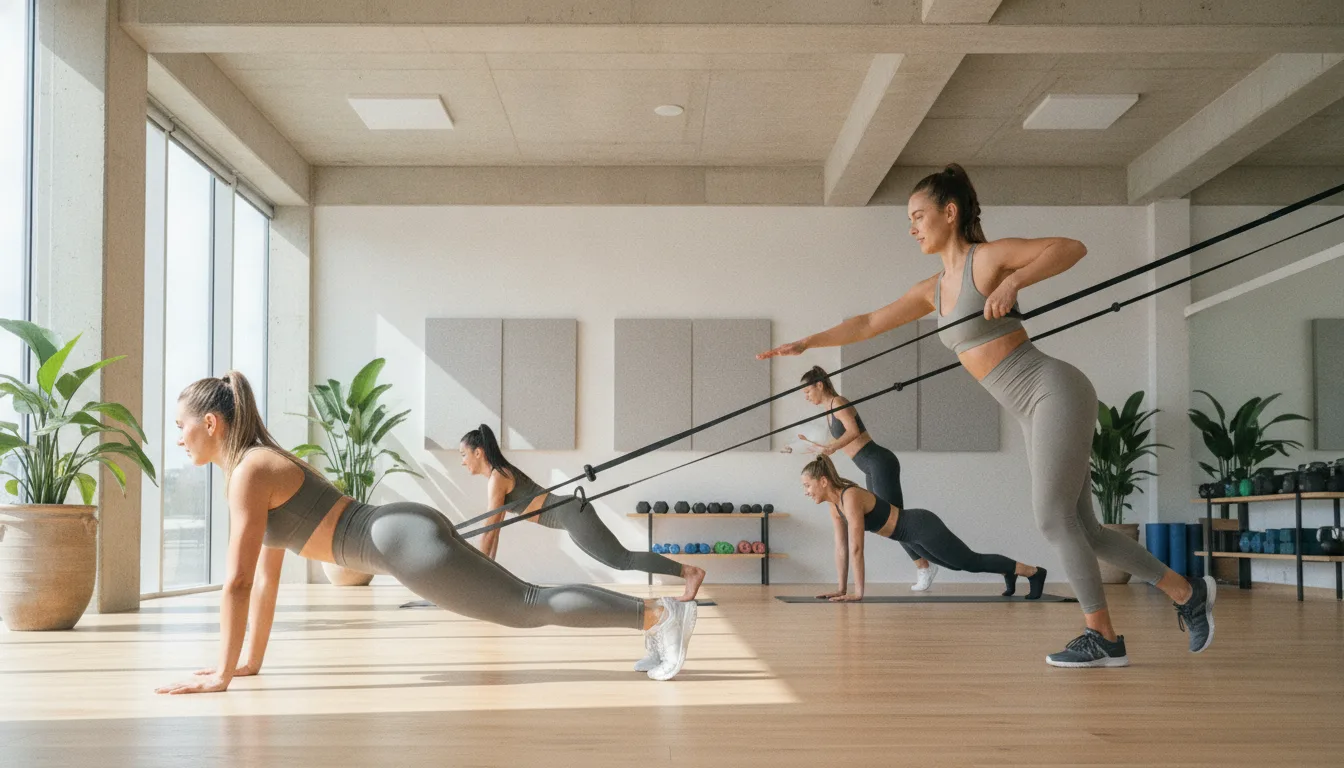


At 5:12 AM in Los Angeles, a stylist is steaming a dress, a publicist is texting call times, and a young actress is trying to decide whether she wants coffee, water, or five more minutes without anyone needing anything from her.
That scene is glamorous for about nine seconds.
After that, it looks a lot like ordinary modern pressure with better lighting.
That is why the newest wellness conversation in Hollywood’s under-35 set is not really about getting smaller at any cost. It is about looking sharp without feeling wrecked.
Because the women setting the pace right now do not just need to fit into the dress. They need a face that still looks alive at 10 PM, enough energy for the interview, enough focus for the shoot, and enough sanity left for the rest of their lives.
That is a different brief from old-school crash dieting, and it helps explain why routines built around steadiness rather than intensity are traveling so quickly through younger circles.
The visible result matters, of course. But the new status symbol is making the result look unforced.
It is the woman who can wear the fitted dress, take the 6 AM call, eat dinner with everyone else, and still look present in the final photograph. No public spiral. No performative discipline. No routine so demanding that it becomes the most interesting thing about her.

The contemporary aspiration is not “thinner at any cost.” It is “pulled together without the visible fallout.”
The New Goal Is Not Thin. It Is Polished
The language around beauty has changed, even if the pressure has not.
Women in their twenties and thirties are less interested in punishing themselves for a dramatic before-and-after and more interested in looking lean, fresh, and in control without creating chaos behind the scenes.
That shift shows up first in celebrity culture.
Whether you look at Zendaya, Margot Robbie, Ariana Grande, or the wider red-carpet ecosystem around them, one thing is obvious: the ideal is no longer just “lost weight.”
It is:
“looks incredible and still has energy.”
That is a huge reason softer, more lifestyle-compatible protocols are replacing harsher trends in wellness conversations.
Younger women feel that shift in their own lives too.
They do not necessarily want to disappear.
They want to feel composed in photos, sharper in their clothes, less puffy after chaotic weeks, and less mentally hijacked by food when stress spikes.
That is a much more modern desire than old-school diet language can handle.
It is also more emotionally intelligent. Younger women have grown up watching every transformation get photographed, analyzed, praised, questioned, and turned into content. They know the cost of looking as though they are trying too hard. They want the outcome without the visible struggle attached to it.
That is why composure has become part of the aspiration. The body is only one signal. Energy, skin, posture, mood, and the ability to be socially present are signals too.
It also explains why certain products spread so quickly in socially visible environments. Once a routine starts being associated with looking fresher, calmer, and more expensive in the best way, women start passing it to each other fast.
The Real Enemy For A Lot Of Young Women Is Chaos
Most younger women do not fail because they lack information.
They fail because their days are chaotic.
Stress spikes. Schedules change. Meals get delayed. Sleep gets chopped up. One stressful email becomes a pastry. A late lunch becomes a delivery dinner. A long week becomes an “I’ll restart Monday” speech.
Then comes the second problem: food noise.
Not true hunger, necessarily. Just constant mental friction. Thinking about what to eat, whether you should eat, whether you already ruined the day, whether you need to compensate tomorrow.
Among the routines being shared in those circles, Arbor kept appearing in conversations about exactly that problem. Women were not describing another wellness boot camp. They were describing days that felt less reactive.
This is exactly why traditional “eat less, move more” messaging often fails with highly stressed younger women.
It describes the mechanics while ignoring the context.
Most younger women already know the basics.
What they want is something that fits a messy, overstimulated, always-on life.
The 3 PM Test
The most revealing moment in a wellness routine is rarely breakfast. Breakfast still has optimism.
The real test arrives in the middle of the afternoon, after the calendar has slipped, lunch was disappointing, and the brain wants a quick reward more than the body needs another meal. That is when a coffee becomes a pastry, a pastry becomes grazing, and grazing becomes the feeling that the day is already lost.
Women described that window with surprising precision. It was the office snack drawer. The delivery app opened without thinking. The handful taken during a call, followed by another because the first barely registered. Nothing dramatic enough to remember, but enough to create a daily sense of being slightly out of control.
A routine that changes that moment changes more than calorie intake. It changes the emotional tone of the evening. Dinner begins without guilt. Plans feel easier. There is no need to compensate, confess, or promise a stricter tomorrow.

The strongest routines address the emotional friction as much as the visible result.
What Women Notice First
The most enthusiastic accounts are usually describing relief, not obsession.
They talk about eating and moving on. About not spending all afternoon negotiating with themselves. About not feeling flattened by the same kinds of aggressive approaches that can leave people looking tense, tired, or joyless.
In other words, the routine fits the reality of 2026 better than many older diet systems do.
It is disciplined without looking punishing.
That matters because younger women are exquisitely sensitive to anything that reads as desperation.
They want wellness that feels curated, not chaotic.
They want to feel like they are choosing from strength, not reacting from panic.
That difference is especially important in image-conscious work. Whether the setting is entertainment, fashion, hospitality, media, or a camera-heavy startup culture, women are expected to look fresh while operating under conditions almost designed to make them feel depleted.
The winning routine is therefore not the one that extracts the most discipline. It is the one that protects the most capacity.
The promise feels contemporary because it is not “fix your broken body immediately.” It is closer to “reduce the noise, increase the ease, and let the visible result follow.”
What Women Keep Noticing
Women repeatedly described Arbor as something that:
- made portions feel easier to manage
- reduced random stress-eating during busy days
- supported steadier energy rather than dramatic highs and lows
- felt easier to maintain than stricter weight-loss routines
That combination matters because younger women are not looking for one magical week. They are looking for something they can actually live with while working, traveling, dating, posting, and trying not to burn out.
At under $100 a month, Arbor also feels reachable enough to test without turning it into a giant decision.
Why Privacy Has Become Part Of The Luxury
The last generation of wellness was highly visible: color-coded bottles on the desk, elaborate meal prep, public challenges, constant tracking, and a stream of progress updates. The new luxury is quieter.
You do not have to explain why you skipped the croissant. You do not need coworkers commenting on your lunch. You do not need friends asking for weekly updates or interpreting every outfit as evidence of progress.
A private routine lets the result emerge before the story does. That is deeply appealing to women who live under enough observation already.
It also keeps the process from becoming an identity. Arbor can remain one small decision that supports the day rather than a new persona that has to be maintained online and offline.
The Voices Younger Women Will Recognize
Some of the strongest feedback sounded less like diet talk and more like stress relief:
⭐ “I stopped doing the thing where one stressful email turns into three snacks and then an ‘I’ll restart Monday’ spiral.” — Emma, 29
⭐ “It made me feel more edited, in the best way. Fewer impulses, less chaos, more control.” — Bri, 31
⭐ “I wanted something that fit my life, not something that demanded a whole new one.” — Talia, 27
One woman described Arbor as “the first thing that quieted the 3 PM treat-yourself spiral.”
Another said she used to alternate between being extremely good and wildly tired of being good. The shift, for her, was not becoming perfect. It was becoming less swingy.
These voices all point to the same thing: less chaos, less spiraling, and more control.
The sophistication of that promise lies in what it leaves intact. Dinner dates remain dinner dates. Travel remains travel. A birthday is not a test of character. The woman using the routine does not have to withdraw from the social life she is trying to feel more confident inside.
That is a more persuasive version of control than rigid perfection. It is flexible enough to survive real life and discreet enough not to dominate it.
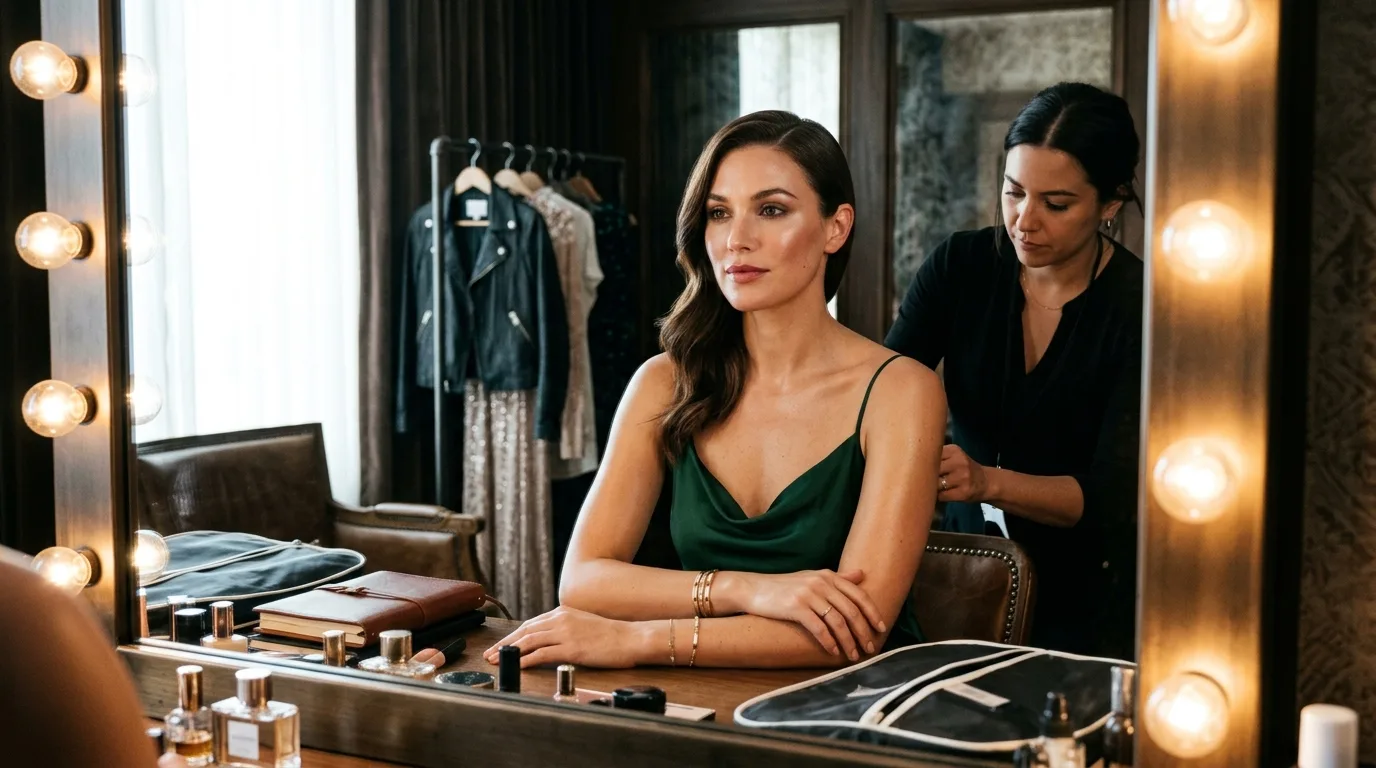
The strongest transformation here is smoother energy and cleaner self-control.
Why Arbor Keeps Coming Up
Younger women in image-conscious environments often reject solutions that feel harsh, joyless, or visibly diet-coded. They want something that fits into an aspirational life without making the whole life revolve around the fix.
Arbor carries the quiet, word-of-mouth quality of something passed between stylists, founders, assistants, and women who always seem to know what works three months before everyone else.
Real Women, Real Results
Verified Reader Reviews
The strongest reactions are about calm, privacy, and finally feeling in control again.
That gives the section a more premium advertorial feel and makes the product look like something women discover, not something pushed on them.
“I didn't want another intense program that becomes your entire personality. Arbor felt modern, easy to stick with, and way more compatible with real life.”
“My stress eating wasn't dramatic. It was constant. Little bites, little treats, little justifications. That's what changed first.”
“I liked that it felt private. Not a whole new identity, just a better rhythm.”
If that quieter, more polished transformation is the point, this is the link readers are using next.
See What the Arbor Routine IncludesThe Transformation Beneath It
What many younger women want is not just a body result.
They want less internal static.
Less comparison. Less rebound behavior. Less feeling that one bad lunch turns into a bad day, which turns into a bad week, which turns into another promise to start over on Monday.
The appeal is control, calm, polish, and continuity.
And because those outcomes are socially visible, the effect often becomes noticeable to other people too.
Not necessarily as a dramatic reveal. More often as a question delivered casually in a hallway, at brunch, or while getting ready: “You look good. What changed?”
That question carries the transformation younger women actually want. Not concern. Not scrutiny. Recognition.
Why This One Is Getting Shared
The interest makes sense when you consider what a lot of younger women are quietly exhausted by.
Not just weight gain.
Performance fatigue.
Comparison fatigue.
Decision fatigue.
The sense that your body is another dashboard you are somehow supposed to optimize perfectly while still being charming, productive, social, and photogenic.
That is the need Arbor is speaking to: a calmer route through that pressure.
Not a fantasy body.
A more manageable life in the body you already have.
Once a woman believes a product could make her days feel simpler, lighter, and less reactive, it becomes easy to picture herself inside that outcome.

The goal is a more manageable life, not just a better number.
For women who want less noise without making wellness their entire personality, that may be the real attraction: not becoming harsher, but becoming steadier.
If that is the change you are looking for, you can look through the routine and its monthly format first, then decide whether it makes sense for your schedule.
The women getting asked what they're doing are rarely using the harshest protocol. They're using the one that lets them stay photogenic, focused, and socially functional.
A celebrity body-composition strategist, to Spotlight Daily
Comments (6)
Sorted by topThe best part for me was not feeling chained to food thoughts all day. I'm in entertainment and anything that makes me feel calmer is worth paying attention to. Two girls on set asked for the link after week three.
What made me click was the angle about energy. I don't want to be thinner if it also means I feel flat, tired, and weird.
This resonates so much. I'm in tech, permanently stressed, and the constant snacking when deadlines hit is my biggest issue. Curious if anyone here used it longer than a month.
Finally an article that understands young women don't need another 'just meal prep harder' lecture. The mental load is the whole point.
I was skeptical, but the price is honestly lower than a month of random wellness stuff I buy when I'm stressed. That made it feel worth testing. Also feels very 'private-members-club wellness' in the best way.
My girlfriend sent me this. Her exact words were: 'I don't need more motivation, I need less food noise.' Fair enough. She said half her office is suddenly talking about Arbor.