“I'm 68, and for the first time in years I don't feel like every day revolves around resisting food. That alone changed everything. The weight loss came after that.”
Advertorial
The Grandma Glow: Why Women Over 55 Are Trading Extreme Weight-Loss Plans for a More Elegant Routine
The new aspiration is not looking younger. It is feeling lighter, steadier, and completely at ease in the life you already love.
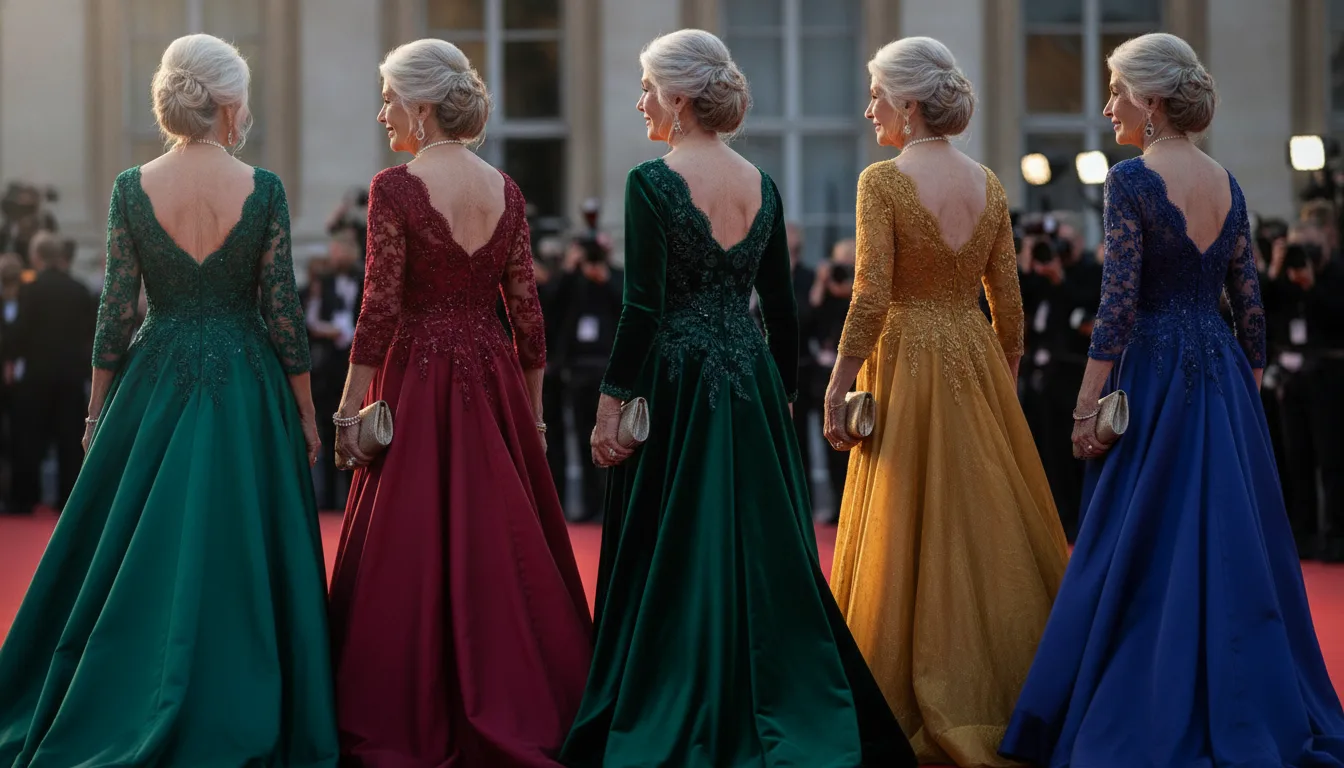
Photo gallery · 4 photos

There is a particular kind of confidence that women in their sixties and seventies have when they stop trying to impress the room and simply own it.
That is the energy people are really noticing when they talk about women like Helen Mirren, Jane Fonda, and Diane Keaton.
Yes, they look polished. Yes, they look expensive. But more than that, they look comfortable in their own skin. Clear-eyed. Energized. Unrushed.
And in private conversations around beauty and wellness, more women are asking the same question: what are they doing now that they are not doing what everyone else is doing?
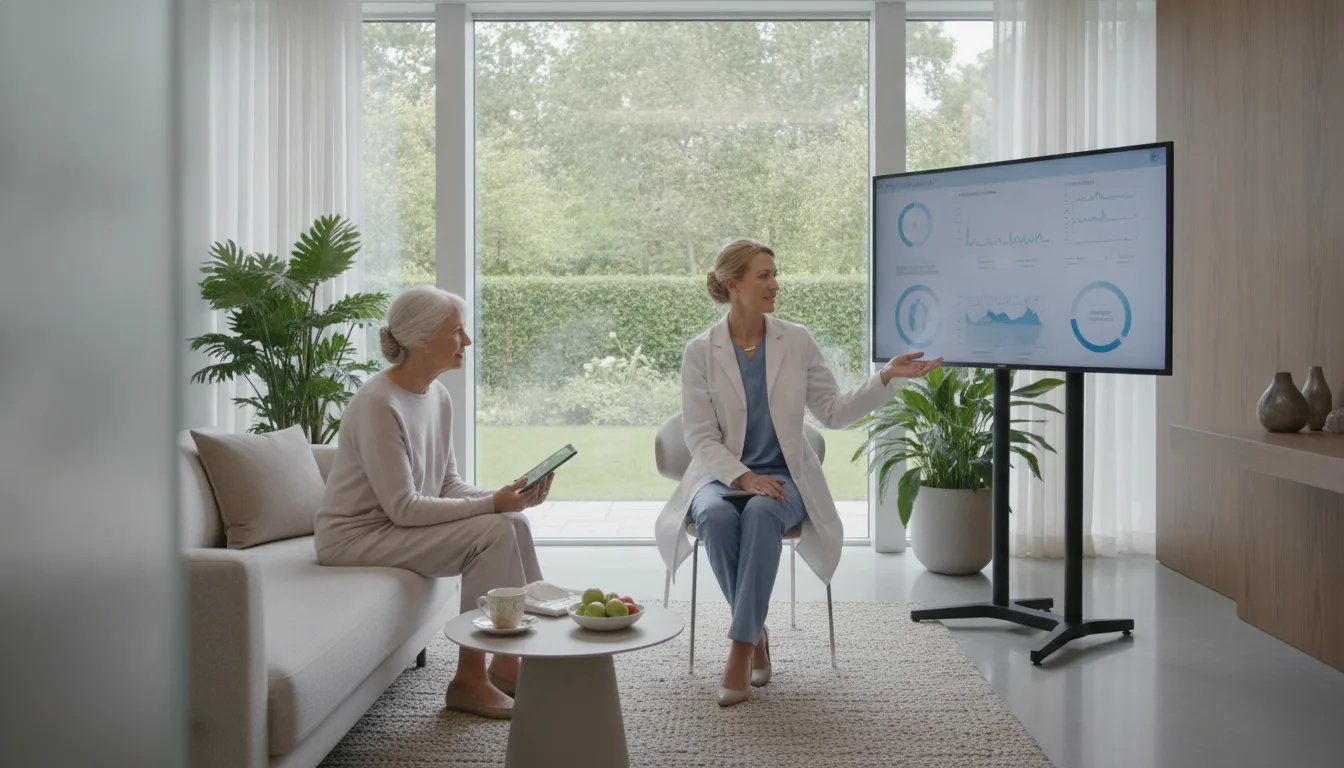
Increasingly, the answer is not another punishing prescription conversation or a dramatic reinvention. It is a steadier, lower-maintenance routine designed to support appetite control, energy, and consistency without turning daily life into a medical project.
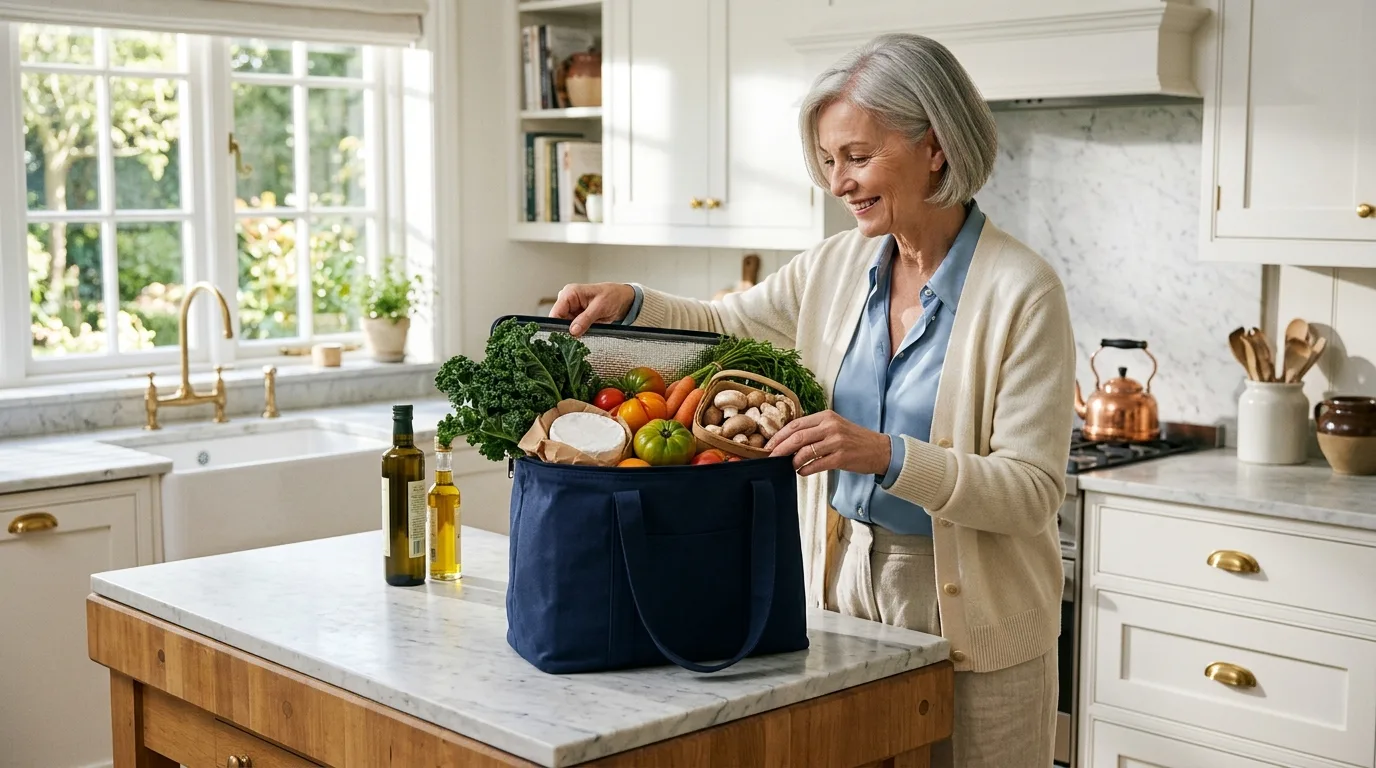
For women over 55, the real luxury is not intensity. It is a routine that feels calm, polished, and maintainable.
Why This Story Lands With Women Over 55
By midlife, most women have already done the exhausting part.
They have tried the cleanses, the point systems, the tiny meals, the motivational apps, the shame spirals, and the plans that worked for three days before collapsing the moment real life returned.
What they want now is not another fantasy.
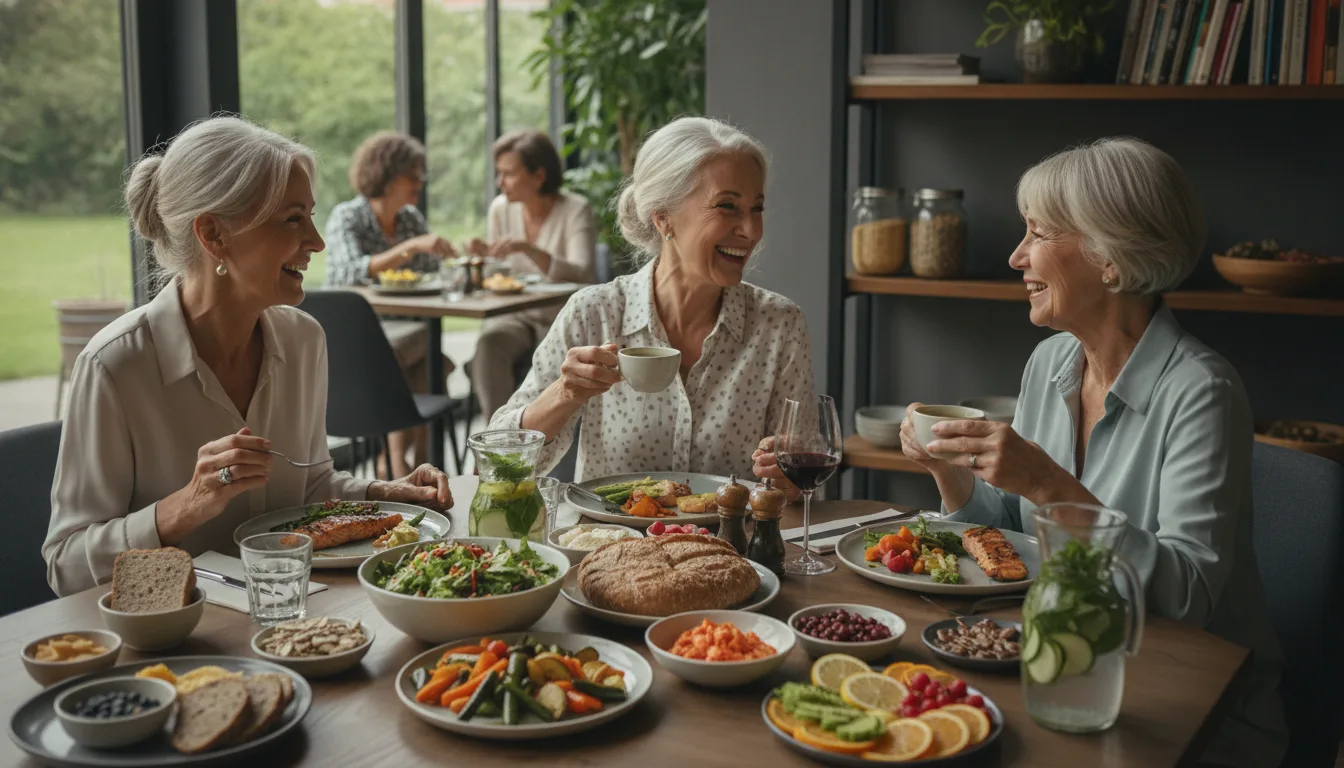
They want something sustainable enough to survive dinner out, travel, grandchildren, social events, stress, and ordinary Tuesdays.
The distinction matters. At this stage, women are not trying to build a life around a result. They already have a life: friendships with history, wardrobes chosen with taste, trips on the calendar, people who rely on them, and pleasures they have no intention of surrendering. Any routine worth considering has to enter that life with good manners.
It should not announce itself at every meal. It should not turn a weekend away into a logistical exercise. And it should never require a woman to perform deprivation in front of the people she loves.
That is why women who follow celebrity wellness closely have become interested in routines that feel polished but realistic. When women with access to personal chefs, trainers, and private doctors begin favoring simpler, more livable systems, everyone pays attention.
And older women are not easily impressed in this category.
They are not easily dazzled. They have seen every makeover cycle, every anti-aging slogan, every new “solution” that quietly asks them to become smaller, stricter, younger, and more apologetic all at once.
They do not want panic-marketing.
They want grace.
They also respond to a subtler prestige cue: the idea that highly polished women are no longer choosing the loudest option, but the most discreet one.
The routines gaining favor are not presented as dramatic corrections. They feel more like the sort of quiet, considered support women graduate into after they have outgrown noisy promises.
The Shift No One Talks About Enough
One of the quiet frustrations of getting older is that the same habits often stop producing the same results.
Women say they eat similarly but feel hungrier. They stay active but recover more slowly. They try to be “good” all week and still feel like their bodies are pushing back by evening.
That does not automatically mean something is wrong.
Often it means the strategy is wrong.
There is also a confidence cost that rarely appears in wellness conversations. When a familiar dress begins to feel unfamiliar, or a candid photograph no longer matches the person a woman feels herself to be, the discomfort is not vanity. It is a break in continuity.
Women do not necessarily want to look younger. They want the outside to feel aligned with the vitality, discernment, and appetite for life that remain fully intact inside.
For many women, the biggest problem is not a lack of discipline. It is that appetite, energy, and routine become harder to manage with age while most wellness advice remains embarrassingly generic.
The idea is refreshingly straightforward: make the day easier to manage, and better choices stop feeling like a full-time job.
Too often, women over 60 are made to feel they must choose between surrender and obsession.
They do not.
The real aspiration at this stage is far more elegant:
- wake up clear
- eat in peace
- move comfortably
- wear what you love
- say yes to plans
- feel like your habits still belong to you
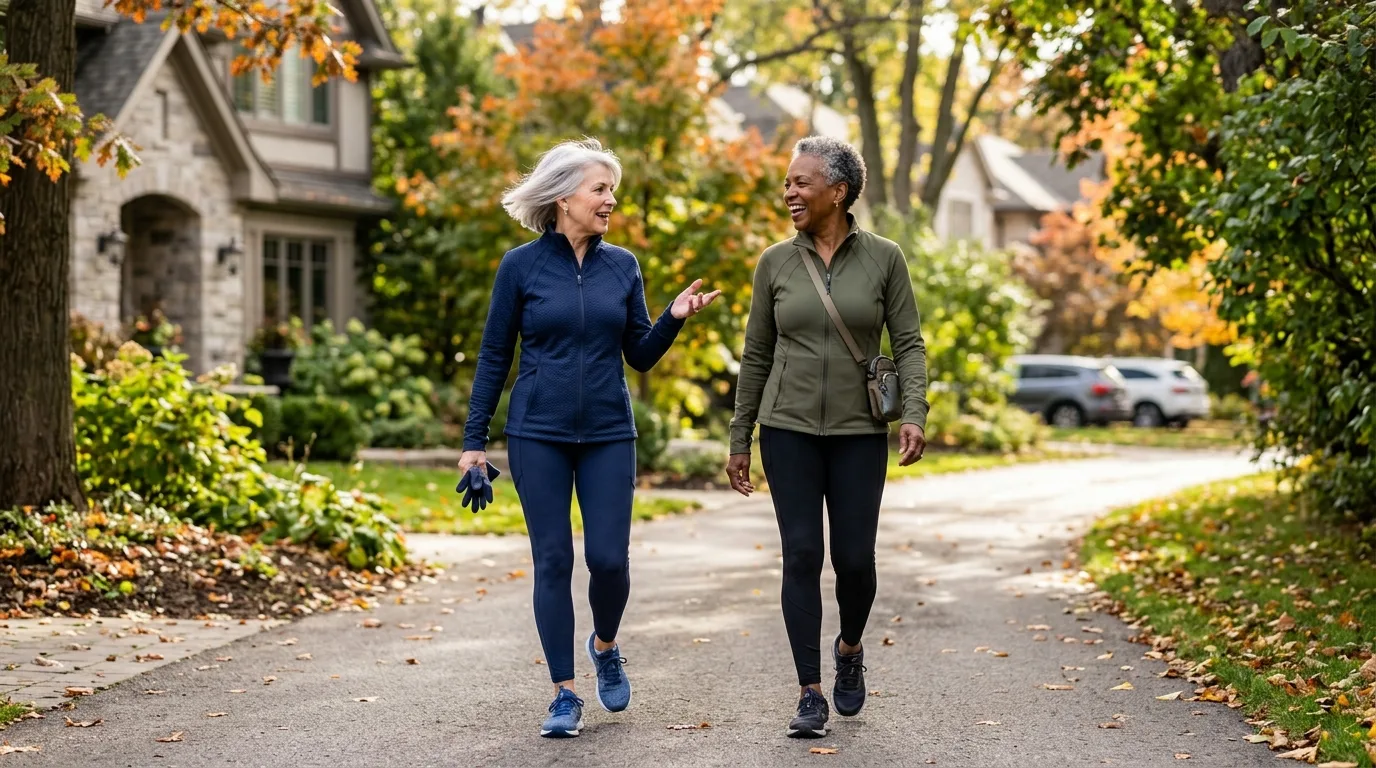
The promise here is not youth. It is ease, mobility, and a more settled relationship with your own body.
What Women Notice First
Among the services appearing in these conversations, Arbor stood out for how ordinary the praise sounded. The women who liked it were not talking like biohackers.
They talk like women who want fewer cravings, more predictability, and less emotional wear-and-tear around food.
They mention eating normal portions and actually feeling done. They mention less grazing in the late afternoon. They mention having enough energy to meet friends, take the walk, travel, host dinner, and still feel good at the end of the day.
That is a very appealing promise for women who are no longer interested in extremes but still care deeply how they look and feel.
It also addresses one of the least discussed frustrations in this demographic: health decision fatigue.
Many women over 55 have spent years reading, comparing, trying, restarting, and researching. The burden is not only physical. It is cognitive. Every new approach asks them to become a student again.
Much of the appeal appears to come from how much it simplifies the ask.
That matters. When a routine feels easy to understand, it feels easier to begin and easier to continue.
Why It Is Drawing Attention
It has the feel of something that circulated quietly through the right circles before being opened to everyone else.
It feels curated, private, elevated, and practical.
That combination explains why the routine travels so naturally through book clubs, bridge groups, charity committees, golf weekends, and long lunches. The recommendation does not arrive as a hard sell. It arrives in the form older women trust most: one friend quietly telling another, “This made my days easier.”
There is social proof in that exchange, but there is also discernment. Women who have watched decades of wellness trends come and go do not need another breathless launch. They pay attention when someone whose judgment they respect looks well, feels well, and is willing to say what changed.
What Women Keep Noticing
The pattern was notably consistent. The strongest responses were not “I became a different person overnight.” They were “I finally felt steady.”
Common themes included:
- less mindless snacking between meals
- more control around portions without feeling deprived
- better day-to-day energy
- a routine simple enough to continue while traveling or socializing
For women over 55, that kind of consistency is often more valuable than a dramatic first-week drop that disappears by month two.
What Elegance Looks Like In Practice
Elegance is often mistaken for expense. In daily life, it is more closely related to effortlessness.
It is ordering dinner without beginning an internal negotiation. It is leaving the table satisfied rather than either deprived or uncomfortable. It is packing for a trip without bringing an entire alternate wellness life in the suitcase. It is waking up the next morning without the familiar sense that one lovely evening has undone a week.
That is the standard many women are applying now. Not perfection. Composure.
The distinction is liberating because it leaves room for pleasure. A sustainable routine should make dinner with friends feel easier, not morally complicated. It should support movement because the body feels good to move, not because every walk must erase something eaten earlier.
Women were not describing the routine as if it had rescued them from themselves. They were describing it as support that made life smoother and more manageable.
Customer Voices
The most persuasive testimonials were the least dramatic:
⭐ “At this age, I don’t care about chasing a size from 1989. I care that my clothes fit better and I have energy left at 6 PM.” — Linda, 67
⭐ “I noticed less picking at crackers and cheese while cooking dinner. That may sound small, but for me it was huge.” — Joanne, 71
⭐ “It felt elegant, not punishing. That’s the difference.” — Beverly, 64
One woman described Arbor as “the first routine in years that did not take over my life.” Another said the best part was not losing weight but feeling less preoccupied by the idea of food all afternoon. A third said she finally felt comfortable making dinner for friends without spending the whole evening thinking about what she should or should not eat.
That is exactly the kind of testimony that feels believable.
It also answers a sensible objection: if the changes are subtle, are they meaningful enough? For the women describing them, yes. Fewer daily battles create room for everything else. The benefit is not measured only in pounds; it is measured in attention returned to conversation, travel, clothes, family, and the rest of a life that deserves more space than food decisions have been taking.
It also invites a deeper fantasy than weight loss alone: walking into a room, hearing “you look wonderful,” and not having to explain why.
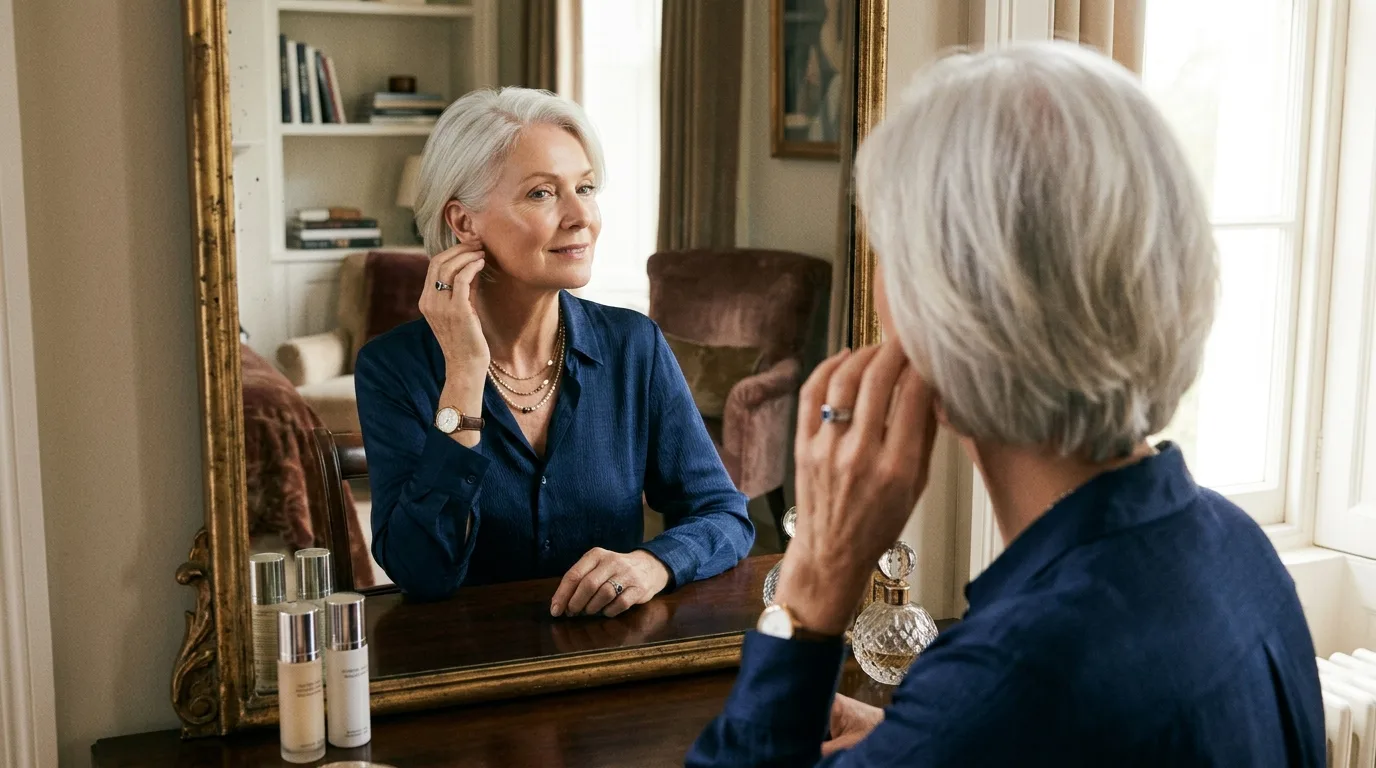
Looking polished is often the visible result of feeling better, not the other way around.
Real Women, Real Results
Verified Reader Reviews
Women are buying Arbor because it feels livable, not punishing.
These are the kinds of comments that keep pushing readers to click through and see whether the monthly routine fits their own life.
“I wanted something elegant and simple, not another all-consuming plan. Arbor fit into my life quickly, and that made me actually stick with it.”
“My biggest surprise was how much calmer dinner felt. I wasn't snacking while cooking, and I wasn't thinking about dessert before I had finished the meal.”
“I travel often, and most routines fall apart the moment I leave home. This one didn't.”
Readers who want the same kind of low-friction routine are clicking through here first.
Check Today's Arbor OfferThe Deeper Transformation
Most women do not want a theatrical reveal.
They want an internal reset that shows up externally.
They want to feel neat, intentional, and back in rhythm.
They want to stop bracing themselves every time they get dressed for dinner, book a trip, or see a candid photo of themselves someone else took.
That is the transformation women are actually looking for.
Not chaos to control.
Not self-blame to stricter self-blame.
But friction to flow.
Why Women Keep Sharing This One
Women keep passing this story to one another because it speaks to something they already know: aging well is not about pretending you are 32.
It is about staying vibrant, mobile, confident, and at ease in your own body.
That requires a different tone from the wellness industry. Less panic. Less punishment. Less humiliation disguised as motivation.
That is where Arbor seems to resonate: it belongs to a newer category of wellness that is less dramatic, more livable, and far easier to imagine continuing for more than a week.
And for many women at this stage of life, that may be the strongest promise of all.
Not “Look what happened in seven days.”
But “You could actually keep this up.”
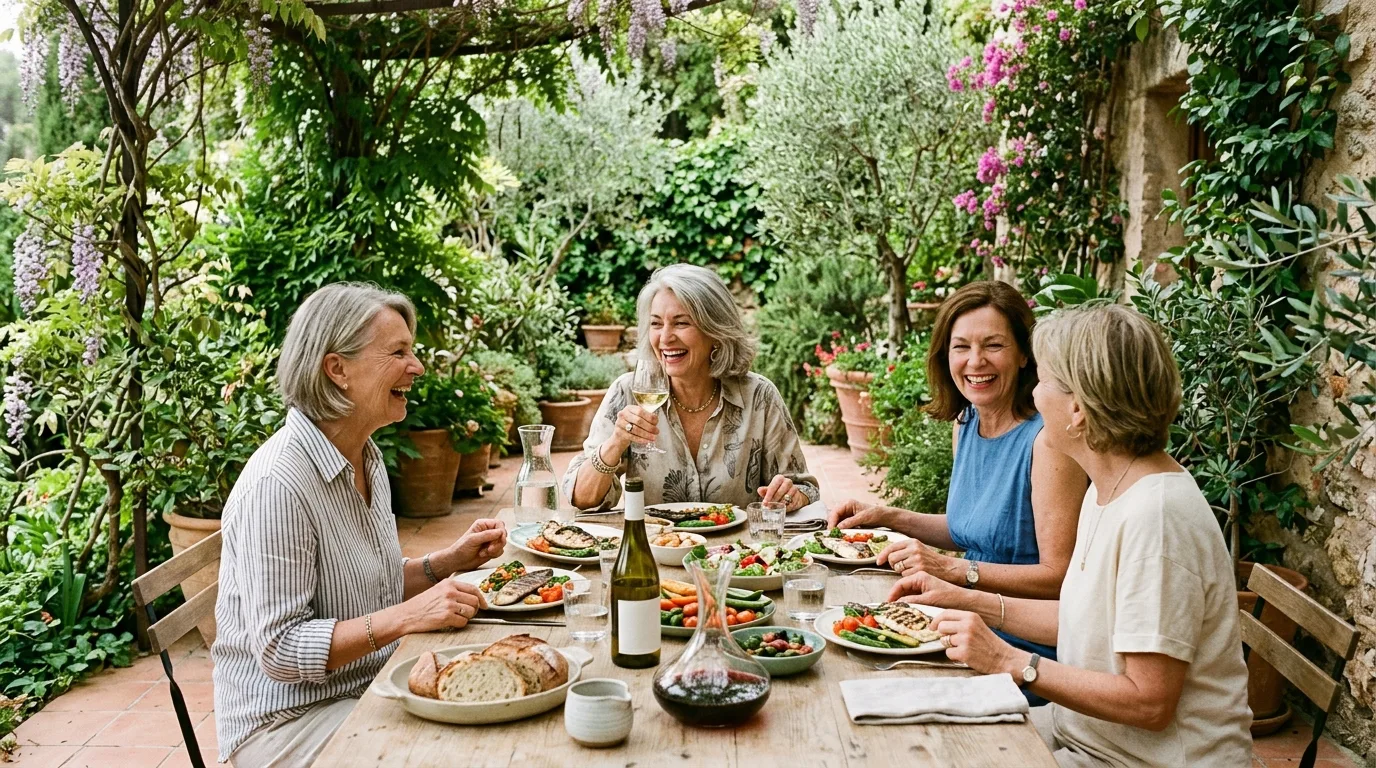
A routine becomes valuable when it still fits on ordinary days.
For women who are done with extremes, the attraction is easy to understand: the next step does not have to mean fighting harder. It can simply mean finding a routine that feels more graceful to live with.
Readers who recognize themselves in that description can review the routine, its monthly format, and what getting started actually involves before deciding whether it belongs in their lives.
The women responding fastest are the ones who are done with punishment. They want elegance, predictability, and a routine that doesn't make them feel medically managed.
A longevity physician's consultant, to Spotlight Daily
Comments (5)
Sorted by topWhat I liked most was that this wasn't written like women over 60 are invisible. I'm 68, down 16 pounds, and mostly just happy to feel light on my feet again. Two women from my bridge group ordered after I sent them this.
I appreciate that the pitch here is more about consistency than chasing some impossible 30-year-old body. That tone matters.
My book club is talking about this nonstop. Half of us are skeptical of every wellness trend, half of us already ordered. I may be next. One woman said her concierge doctor had mentioned this style of protocol months ago.
Bought this for my wife after she sent me the article. Her main feedback: less grazing in the evening and more energy in the morning. She said it feels more like a private wellness plan than a generic product.
After 70, anything too intense is an immediate no for me. The fact that this sounds gentle and structured is exactly why I'm interested.