Aurora vs. Dreamweave: Two Sleep Powders, 30 Nights Each
The magnesium ritual drink against the melatonin-free herbal blend. We tracked 60 nights of sleep data to find which one earns the nightstand.
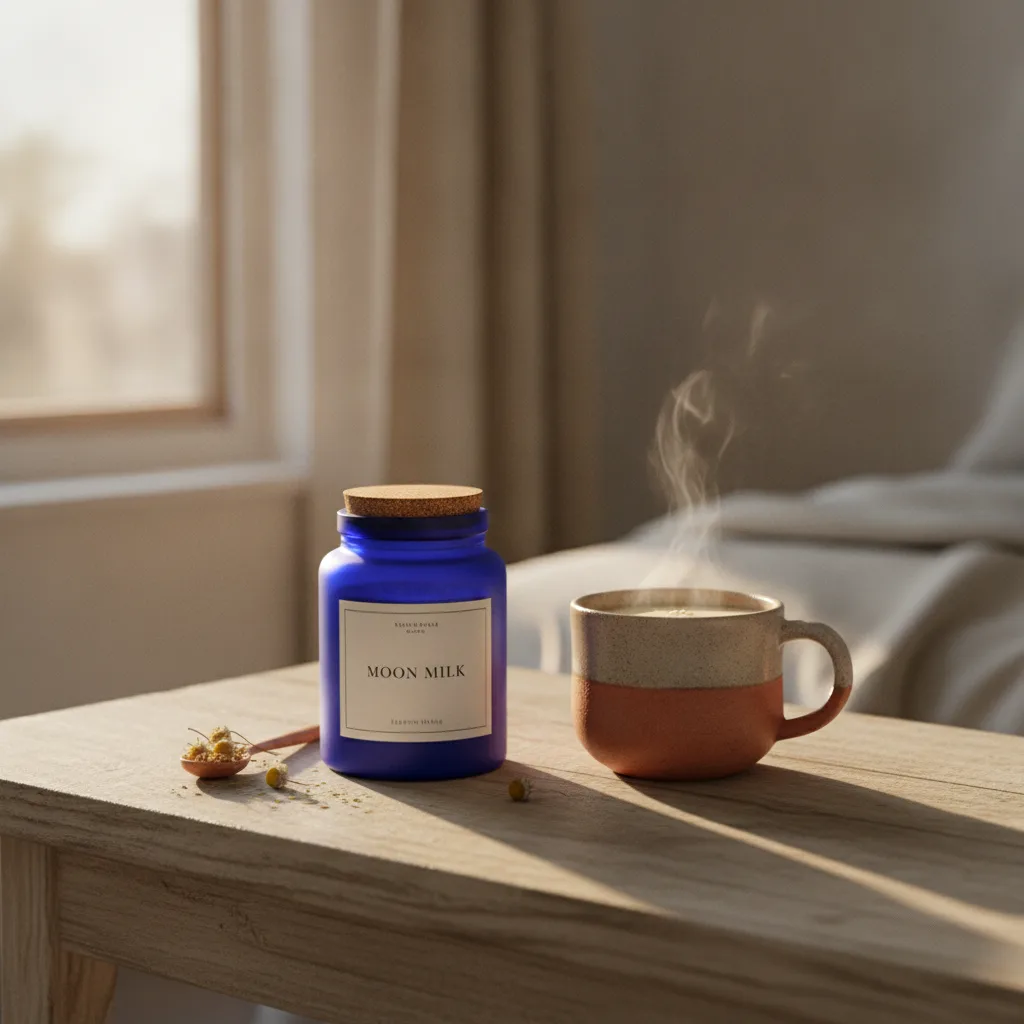

Gentler, herbal, better for supplement skeptics — slower to show.
Check PriceSide by side
Aurora wins on both data and devotion — it moved sleep onset twice as much, and testers refused to give the ritual back.
See the winnerSleep powders split into two philosophies: mineral-based formulas like Aurora, and herbal, melatonin-free blends like Dreamweave. Rather than argue theory, we tracked two testers per product through 30 nights each, with rings on their fingers and logs on their nightstands.
How we tested
Four testers with mild sleep-onset issues ran each product for 30 nights. We measured sleep onset time, night wakings, and morning grogginess — and logged the unscientific stuff too, because rituals don’t show up in actigraphy.
Both products beat baseline; neither caused morning grogginess, the usual dealbreaker in this category. Aurora’s numbers were simply stronger — onset down 15 minutes on average versus 8 — and its warm-drink ritual created a wind-down testers described as the real mechanism. Dreamweave remains the right call for anyone avoiding minerals or already taking magnesium, and for herbal-leaning skeptics it’s the gentlest entry point we tested. But on data and devotion alike, Aurora takes the nightstand.
Comments (5)
Sorted by top60 nights of tracked data in a sleep-product comparison — this is how it should be done everywhere.
Aurora changed my onset from 40 to 20 minutes. The grogginess-free morning is real.
Team Dreamweave — I avoid magnesium for medical reasons and it's the gentlest thing that works for me.
The warm-drink ritual is half the effect and I'm tired of pretending it isn't.
60-night return window is the confidence I like to see. Ordered.