Aurora Sleep Powder Review: 30 Nights, Tracked and Logged
A magnesium-based evening drink with a cult following. We tracked 30 nights of sleep scores to separate the chemistry from the ceremony.
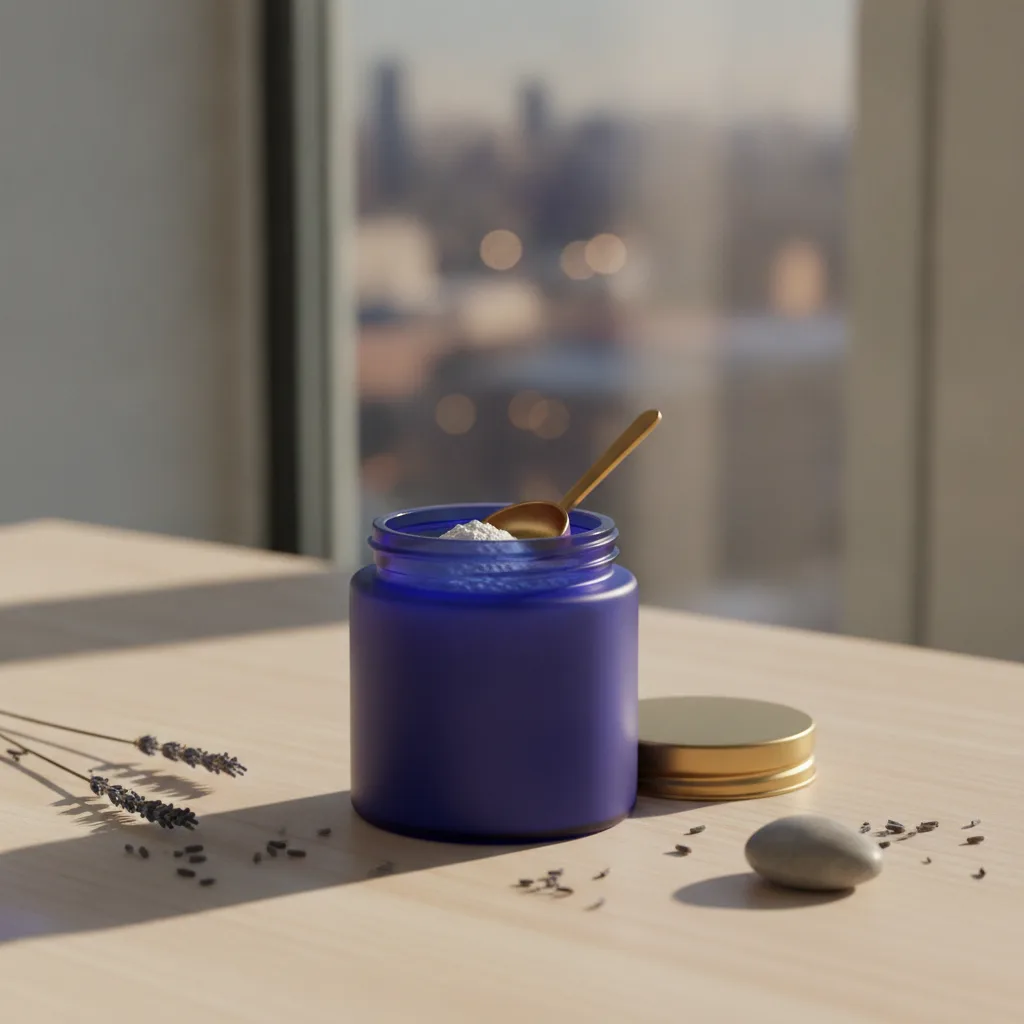
Part supplement, part sleep ritual — and the combination works. Faster sleep by week two, and a habit our testers refused to give up.
How it performed in real life

Thirty minutes before bed, every night, same mug. The ritual is half the formula.
Part supplement, part sleep ritual — and the combination works. Faster sleep by week two, and a habit our testers refused to give up.
Sleep supplements live or die on one question: is it the molecule or the moment? Aurora’s pitch — magnesium glycinate, L-theanine, a warm nightly drink — invites the skepticism. So we tracked thirty nights with a sleep ring and a logbook.
Night one to night thirty
The first nights offered nothing but a pleasant tart-cherry drink thirty minutes before bed. No drowsiness, no knockout. What changed first was behavioral: the drink became a deadline. Phone down at mixing time, lamp down at drinking time. By week two, time-to-sleep on the tracker had dropped from 34 minutes to 19.
Weeks three and four plateaued — which turned out to be the honest story. Aurora doesn’t escalate; it holds a line. The bad nights still happened. They just stopped being the default.
Who is this for? The wired-and-tired, the revenge-bedtime procrastinators, anyone whose sleep problem starts with not ending the day. Who should skip it? Anyone with a genuine sleep disorder — see a doctor first, buy powder second.
Part supplement, part sleep ritual — and the combination works. Faster sleep by week two, and a habit our testers refused to give up.
Check Availability
Comments (5)
Sorted by topWeek two faster sleep — same here. Can't tell if it's the magnesium or the ritual and I've stopped caring.
My tracker shows 20 min faster sleep onset since starting. Placebo would show up in my dreams, not my data.
The honest 'plateaued' note matches my experience. It fixes the gap, it doesn't sedate you.
Taste is dangerously good. Like a bedtime treat that's somehow not sugar.
Refused to give it up after the test — me too. Three months now.